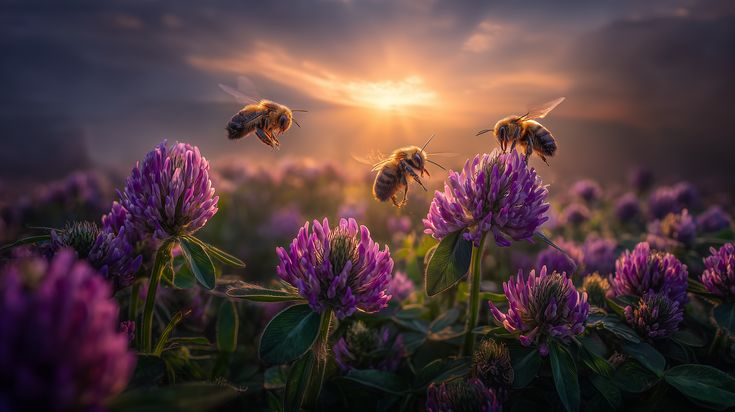
Stay Buzzing: Top 10 Bee-Inspired Tips for a Healthier, Happier You!

Introduction & Background
Bees have long fascinated scientists, gardeners, and wellness enthusiasts alike. Known for their tireless work ethic, intricate social structures, and vital role in pollination, these tiny insects carry profound lessons for human wellbeing. The idea of drawing inspiration from bees is not just poetic but deeply practical. By adopting the disciplined, collaborative, and purposeful habits of bees, we can enhance our own health, productivity, and happiness. Whether you’re seeking motivation, mindfulness, or a stronger connection to nature, bee-inspired living offers a refreshing blueprint for modern life.
Concept & Overview
The bee-inspired lifestyle revolves around mimicking the core principles that define a bee’s existence. Bees operate with clarity of purpose, unwavering diligence, and a strong sense of community. They thrive on routine, prioritize collective benefit over individual gain, and maintain an extraordinary balance between work and rest. This philosophy encourages humans to structure their lives with similar intention: setting clear goals, working efficiently, nurturing relationships, and taking time to recharge. It’s not about becoming literal bees but about internalizing the values that make bees successful.
Key Features & Highlights
- Purposeful Action: Like bees that know exactly where to go and what to do, adopt daily routines that align with your long-term goals. Start each day by clarifying your top priorities.
- Teamwork and Community: Bees function as a superorganism, each contributing to the hive. Build supportive networks, collaborate openly, and recognize that collective effort often yields greater rewards than solo work.
- Consistent Effort: Bees work steadily without burnout. Apply this by breaking tasks into manageable steps and maintaining steady progress rather than seeking overnight success.
- Adaptability and Problem-Solving: Bees adjust their foraging patterns based on weather and resource availability. Embrace flexibility in your plans and be ready to pivot when circumstances change.
- Mindful Consumption: Bees are selective about what they collect and consume. Practice mindful eating and consumption by choosing nourishing foods and avoiding waste.
- Rest and Rejuvenation: After long days of foraging, bees return to the hive to rest. Honor your need for sleep, relaxation, and downtime to prevent exhaustion.
- Environmental Stewardship: Bees play a crucial role in sustaining ecosystems. Reduce your ecological footprint by supporting local agriculture, planting pollinator-friendly gardens, and minimizing plastic use.
- Learning and Growth: Bees communicate through intricate dances to share information. Foster continuous learning by seeking feedback, reading widely, and staying curious.
- Resilience in Adversity: Bees face threats like predators and harsh weather yet persist. Build emotional resilience by practicing gratitude, maintaining perspective, and focusing on what you can control.
- Joy in Small Wins: Bees celebrate the completion of each task, no matter how small. Celebrate your progress, no matter how incremental, to stay motivated and positive.
Frequently Asked Questions / Pros & Cons
Why should I adopt a bee-inspired lifestyle?
Adopting a bee-inspired lifestyle can help you lead a more structured, purposeful, and balanced life. It encourages habits that reduce stress, increase productivity, and foster a deeper connection to your community and environment. Many people find this approach refreshing in a world filled with distractions and burnout culture.
Isn’t it unrealistic to expect constant productivity like a bee?
Absolutely not. The goal is not to mimic every aspect of bee behavior but to adopt the values that lead to their success. Bees take breaks, rest, and adapt. The emphasis is on consistent effort, not perfection. Human wellbeing depends on balance, so rest and reflection are just as important as action.
How can I apply bee principles in a busy modern lifestyle?
Start small. Choose one or two bee-inspired habits to integrate into your routine, such as setting daily priorities or practicing mindful eating. Gradually build on these as they become natural. Use tools like planners or apps to stay organized and set reminders to pause and reflect.
What are the cons of this approach?
One potential challenge is the perception of rigidity. If taken too literally, bee-inspired habits might feel restrictive. However, the philosophy is flexible by design. Another consideration is that some people may find it difficult to prioritize community or environmental stewardship if they are already overwhelmed. In such cases, begin with small, manageable actions and expand over time.
Practical Guidance & Solutions
Start with your morning routine: Begin each day by writing down your top three priorities. Ask yourself what the hive’s goals are for today. This simple act sets a clear direction and reduces decision fatigue.
Create a support network: Just as bees rely on each other, build a circle of people who encourage and inspire you. Join a local group, participate in online forums, or schedule regular check-ins with friends who share your values.
Break tasks into small steps: Bees carry only what they can manage. Apply this by dividing larger projects into bite-sized tasks. Use a checklist to track progress and celebrate each completion to maintain momentum.
Practice mindful consumption: Audit your daily habits. Are you consuming information, food, or materials that truly serve you? Opt for quality over quantity, whether in your diet, media intake, or purchases.
Schedule downtime: Block out time in your calendar for rest, just as bees return to the hive at the end of the day. Use this time for activities that recharge you, such as reading, walking, or meditating.
Plant a pollinator garden: Even a small balcony or windowsill can support bees and other wildlife. Choose native plants that bloom at different times to provide a continuous food source. This small act connects you to nature and fosters environmental stewardship.
Reflect and adapt: At the end of each week, reflect on what worked and what didn’t. Be willing to adjust your approach. Bees change foraging patterns based on availability, and you too can adapt your strategies based on feedback and results.
Conclusion
Bees remind us that greatness comes not from grand gestures but from consistent, purposeful action. By embracing the principles of diligence, community, adaptability, and mindfulness, we cultivate lives that are healthier, happier, and deeply connected to the world around us. The path to wellbeing doesn’t require drastic changes but thoughtful, intentional steps. So stay buzzing. Let the spirit of the hive guide you toward a life of balance, growth, and joy. After all, every small step you take is like a single flower’s contribution to the garden of life. Keep going. The world needs your unique buzz.