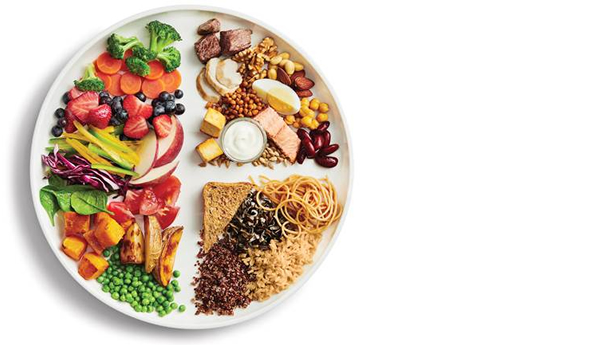
Revolutionize Your Plate: The Latest Diet Trends Making Waves in 2024

The Future of Food: Diet Trends Reshaping 2024
As we move deeper into 2024, the way we think about food and nutrition is undergoing a dramatic transformation. Gone are the days when a one-size-fits-all diet was the norm. Today’s eaters are more informed, more health-conscious, and increasingly open to experimenting with what ends up on their plates. From plant-based innovations to gut-friendly fermented foods, the latest diet trends are not just about losing weight—they’re about enhancing overall well-being, sustainability, and even cognitive function. In this article, we explore the most influential diet trends making waves this year, why they’re gaining traction, and how you can incorporate them into your life.
Why Diet Trends Matter More Than Ever
Several factors are driving the rapid evolution of diet trends in 2024. First, the global health crisis has left people more aware of the connection between diet and immunity, longevity, and chronic disease prevention. Second, climate change and ethical concerns are pushing consumers toward more sustainable and planet-friendly food choices. Third, advances in nutritional science are uncovering the incredible benefits of ingredients we once overlooked, from adaptogenic mushrooms to algae-based proteins. Finally, social media and digital connectivity have democratized access to nutritional information, allowing trends to spread faster than ever before.
The Top Diet Trends of 2024
1. Gut-First Nutrition: The Rise of the Microbiome Diet
The gut microbiome has taken center stage in nutritional science, and 2024 is the year it officially entered mainstream diets. Research continues to confirm that a healthy gut is linked to improved digestion, stronger immunity, better mental health, and even weight management. The microbiome diet focuses on consuming foods that nourish beneficial gut bacteria while minimizing those that disrupt microbial balance.
Key components of this trend include:
- Fermented foods: Sauerkraut, kimchi, kefir, miso, and kombucha are no longer niche health foods—they’re dietary staples. These probiotic-rich foods help diversify gut bacteria and improve digestive health.
- Prebiotic fibers: Foods like garlic, onions, asparagus, bananas, and chicory root act as fuel for good bacteria, helping them thrive.
- Low-FODMAP adjustments: While high-FODMAP foods can cause bloating in sensitive individuals, the microbiome diet emphasizes personalized approaches rather than blanket restrictions.
- Fiber-rich whole foods: A diet rich in vegetables, legumes, whole grains, and fruits supports a diverse microbiome and reduces inflammation.
Experts predict that gut health testing—such as at-home microbiome analysis—will become as common as blood pressure checks, guiding personalized dietary recommendations.
2. Plant-Forward Eating: Beyond Veganism
While veganism and vegetarianism continue to grow, 2024 is seeing a shift toward “plant-forward” eating—not necessarily eliminating animal products, but prioritizing plants as the foundation of every meal. This trend is driven by health concerns, environmental awareness, and culinary creativity.
Key features of plant-forward diets include:
- Flexitarianism: A flexible approach that encourages mostly plant-based meals with occasional animal proteins, appealing to those who want the benefits of plant eating without strict rules.
- Climate-conscious proteins: Algae-based foods like spirulina and chlorella, mycoprotein (from fungi), and lab-grown plant proteins are gaining ground as sustainable alternatives to meat.
- Global plant-based dishes: Cuisines from Asia, Africa, and the Mediterranean—rich in legumes, lentils, and vegetables—are inspiring new meal formats beyond traditional salads and tofu.
- Upcycled ingredients: Food waste reduction is trendy, and brands are using ingredients like spent grain from beer brewing or fruit peels in snacks and flours.
The goal isn’t perfection—it’s progress. Even small increases in plant consumption can have significant health and environmental benefits.
3. Adaptogen-Powered Eating: Food as Medicine
Adaptogens—herbs and mushrooms that help the body manage stress—are no longer confined to wellness blogs or holistic medicine cabinets. In 2024, adaptogens are being integrated into everyday meals, smoothies, and snacks as natural ways to support energy, immunity, and mental clarity.
Popular adaptogens in today’s diet include:
- Reishi mushrooms: Known for immune support and stress reduction, often found in teas, coffees, or powdered blends.
- Ashwagandha: Added to lattes, energy bars, and yogurt for its calming and rejuvenating effects.
- Lion’s mane: Believed to support cognitive function; used in supplements and even gourmet dishes.
- Turmeric and ginger: Long-celebrated for anti-inflammatory properties, now appearing in everything from golden milk to fermented tonics.
Rather than relying solely on supplements, people are incorporating these ingredients into meals—proof that functional food is the new frontier of nutrition.
4. The Green Revolution: Algae, Seaweed, and Microgreens
With land-based agriculture facing sustainability challenges, the ocean is emerging as a powerhouse of nutrition. Seaweed, microgreens, and algae are becoming dietary staples due to their exceptional nutrient density, low environmental footprint, and versatility in cooking.
Some of the most exciting developments include:
- Seaweed snacks: Used as chips, wraps, or seasoning, seaweed is rich in iodine, iron, and antioxidants.
- Algae-based proteins: Companies are producing algae burgers, protein powders, and even algae-based dairy alternatives.
- Microgreens: These young vegetable greens are packed with vitamins and can be grown at home year-round, making them a favorite for health enthusiasts.
- Spirulina and chlorella: These blue-green algae are consumed as powders, tablets, or added to smoothies for a nutrient boost.
Expect to see more algae-infused products on grocery shelves and restaurant menus in 2024, signaling a shift toward ocean-based nutrition.
5. Personalized Nutrition: Your DNA, Your Diet
Move over, generic meal plans—2024 is the year of personalized nutrition. Advances in genetic testing, microbiome analysis, and AI-driven apps are enabling people to tailor their diets based on their unique biology. Companies like Nutrigenomix and Viome offer tests that analyze how your body responds to specific foods, helping you optimize energy, manage weight, and prevent disease.
Key aspects of personalized nutrition include:
- Genetic-based diets: Understanding lactose intolerance, caffeine metabolism, or vitamin absorption based on DNA.
- Blood sugar monitoring: Continuous glucose monitors (CGMs) are being used by non-diabetics to track how different foods affect energy and hunger.
- AI meal planners: Apps that generate meal plans based on your goals, preferences, and real-time health data.
- Allergy and sensitivity testing: At-home kits that identify food intolerances, helping people avoid bloating, fatigue, or skin issues.
While this trend is still evolving, it represents a major step toward a future where diet is not prescriptive, but predictive and precise.
6. Regenerative Eating: Food That Heals the Planet
Sustainability isn’t just about reducing harm—it’s about actively healing the planet. Regenerative agriculture—farming practices that restore soil health, increase biodiversity, and sequester carbon—is influencing what we eat. In 2024, consumers are seeking out foods produced through regenerative methods, supporting ecosystems and fighting climate change.
Look for these terms on food labels:
- Regenerative organic: A certification that goes beyond organic to focus on soil health and carbon capture.
- Grass-fed and grass-finished: Meat and dairy from animals raised on pasture, which supports soil regeneration.
- Local and seasonal: Reducing food miles and supporting small farmers who use regenerative practices.
- Regenerative seafood: Sustainable fishing and aquaculture that restores marine habitats.
By choosing regeneratively produced foods, eaters are voting with their wallets for a healthier planet—and often, tastier, more nutrient-dense food.
How to Integrate These Trends Into Your Life
You don’t need to overhaul your entire diet overnight. Start small by experimenting with one or two trends that resonate with you. For example, try adding a daily serving of fermented food, swap one meat-based meal per week for a plant-based option, or explore an adaptogen-infused drink in the morning. Keep a food journal to track how these changes affect your energy, digestion, and mood.
Remember that balance is key. A rigid diet—even one rooted in science—can backfire if it leads to stress or deprivation. The goal is to build a sustainable, enjoyable way of eating that nourishes both body and mind.
Looking Ahead: The Future of Food
As we look to the future, it’s clear that diet trends in 2024 are about more than just weight loss or aesthetics. They represent a holistic approach to health—one that considers our bodies, our communities, and our planet. From gut-friendly fermented foods to personalized nutrition powered by AI, the way we eat is becoming smarter, kinder, and more connected than ever before.
Whether you’re a health enthusiast, a casual foodie, or someone simply looking to feel better in your body, 2024 offers a buffet of possibilities. The plate of the future isn’t just colorful and nutritious—it’s revolutionary.