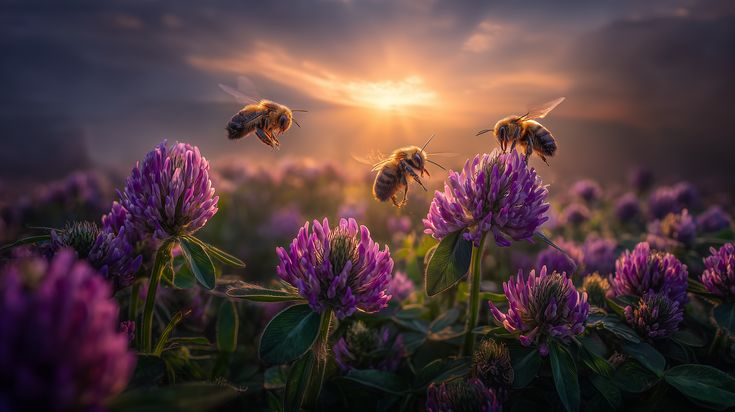
Buzzing into Wellness: The Surprising Health Benefits of Bees

The Unexpected Role of Bees in Human Wellness
When we think about wellness, images of yoga mats, green smoothies, or meditation often come to mind. But what if one of nature’s smallest creatures could play a significant role in our health? Bees, often feared or overlooked, are quietly buzzing their way into the spotlight as powerful allies for human wellness. From the food we eat to the medicines we take, bees contribute far more than just honey. Their presence in ecosystems and their products offer surprising health benefits that span physical, mental, and even environmental wellness. This article explores how bees are not just busy workers in the garden but essential partners in our journey toward better health.
Bees as Pollinators: The Hidden Foundation of Nutrition
Before bees deliver honey or propolis, they fulfill their most critical role: pollination. Without bees, many of the fruits, vegetables, and nuts we rely on for nutrition would struggle to thrive. It is estimated that one-third of the global food supply depends on pollinators like bees. Crops such as apples, almonds, blueberries, and cucumbers are heavily dependent on bee pollination. By facilitating plant reproduction, bees ensure a diverse and abundant food supply, rich in vitamins, minerals, and antioxidants. In this way, bees indirectly contribute to improved nutrition and overall wellness by supporting a balanced diet.
Honey: More Than Just a Sweetener
Honey, the golden nectar produced by bees, has been used for thousands of years—not just as food, but as medicine. Modern science confirms what ancient cultures knew intuitively: honey offers a range of health benefits.
- Antimicrobial Properties: Honey has natural antibacterial and antifungal properties, thanks to its high sugar content, low water activity, and the presence of hydrogen peroxide. Manuka honey, in particular, is renowned for its ability to fight infections and promote wound healing.
- Soothing for Throat and Cough: Studies show that honey is as effective as some over-the-counter cough syrups in alleviating coughs and soothing sore throats, especially in children.
- Antioxidant-Rich: Honey contains phenolic compounds that act as antioxidants, helping to reduce oxidative stress and inflammation in the body.
- Gut Health Support: Raw, unprocessed honey contains prebiotics, which nourish beneficial gut bacteria and support digestive health.
Incorporating honey into a balanced diet can be a delicious way to boost wellness without added sugars.
Propolis: The Bee Glue with Healing Powers
Propolis is a resinous substance collected by bees from tree buds and sap. They use it to seal and protect their hives from bacteria and fungi. For humans, propolis has become a prized natural remedy with a wide array of health applications.
- Immune System Booster: Propolis contains flavonoids and phenols that support immune function and help the body fight off infections.
- Antiviral and Antibacterial: Research suggests propolis can inhibit the growth of viruses and bacteria, making it useful in supporting respiratory health.
- Anti-inflammatory Effects: Regular consumption of propolis may help reduce chronic inflammation, which is linked to conditions like arthritis and heart disease.
- Skin Health: Propolis is used in topical treatments for wounds, burns, and skin conditions like eczema due to its healing and antimicrobial properties.
Available as tinctures, capsules, or in skincare products, propolis offers a natural way to enhance wellness from the inside out.
Royal Jelly: The Superfood of the Hive
Royal jelly is a nutrient-dense secretion produced by worker bees to feed queen bees and larvae. It is often called a “superfood” due to its rich composition of proteins, vitamins (especially B vitamins), minerals, and fatty acids.
- Energy and Vitality: Royal jelly is known to support energy levels and reduce fatigue, making it popular among those with demanding lifestyles.
- Hormonal Balance: Some studies suggest royal jelly may help regulate hormones and support reproductive health, particularly in women.
- Cognitive Function: Research indicates that royal jelly may support brain health by improving cognitive performance and reducing oxidative stress in neural tissues.
- Skin Anti-Aging: When applied topically or consumed, royal jelly promotes collagen production and skin elasticity, helping to reduce wrinkles and maintain youthful skin.
While royal jelly should be used with caution by those with allergies, its potential benefits make it a valuable addition to a wellness regimen.
Bee Venom Therapy: Ancient Healing Meets Modern Science
Though it may sound counterintuitive, bee venom has been used in traditional medicine for centuries and is now gaining scientific validation. Bee venom therapy (BVT) involves the controlled application of bee stings or venom extracts to treat various conditions.
- Anti-inflammatory and Pain Relief: Bee venom contains compounds like melittin, which have potent anti-inflammatory effects. It is being studied for use in treating arthritis, multiple sclerosis, and chronic pain.
- Immune Modulation: Some research suggests that BVT may help regulate the immune system, making it useful in autoimmune conditions.
- Antimicrobial Effects: Bee venom has been shown to have activity against bacteria, viruses, and even cancer cells in laboratory studies.
While BVT should always be administered by trained professionals due to the risk of allergic reactions, its therapeutic potential is a fascinating intersection of nature and modern medicine.
Mental Wellness and the Calming Presence of Bees
Beyond physical health, bees also contribute to mental and emotional wellness. Spending time in nature, observing bees at work, or even keeping a beehive has been linked to reduced stress and improved mood. The practice of apitherapy—using bee products for healing—often emphasizes the mind-body connection.
- Mindfulness and Connection: Watching bees pollinate flowers can be a meditative experience, encouraging presence and awareness in the moment.
- Reduced Anxiety: Engaging with beekeeping or simply being near bees has been shown to lower cortisol levels and promote relaxation.
- Community and Purpose: Beekeeping fosters a sense of community and purpose, which are vital for mental well-being.
In a world where stress and anxiety are increasingly common, the gentle hum of bees can offer a soothing reminder of the natural balance we are all a part of.
Sustainability and Wellness: Bees as Guardians of the Planet
Our personal wellness is deeply connected to the health of the planet. Bees play a crucial role in maintaining ecological balance. By promoting biodiversity and supporting healthy ecosystems, bees help ensure clean air, water, and soil—resources essential for human survival.
- Climate Regulation: Plants pollinated by bees absorb carbon dioxide, helping to mitigate climate change.
- Soil Health: Bees contribute to the growth of plants that prevent soil erosion and improve soil fertility.
- Biodiversity Protection: Healthy pollinator populations support diverse ecosystems, which are more resilient to environmental challenges.
Supporting bee populations through sustainable practices, planting bee-friendly gardens, and choosing organic products helps protect both planetary and personal wellness.
How to Incorporate Bee Products into Your Wellness Routine
With so many benefits, it’s easy to integrate bee products into daily life—responsibly and sustainably.
- Start with Local Honey: Use raw, unfiltered honey in tea, oatmeal, or as a natural sweetener. Choose local sources to support beekeepers and reduce carbon footprint.
- Try Propolis Tincture: Add a few drops to warm water or tea during cold season to support immunity.
- Explore Royal Jelly Supplements: Available in capsule or liquid form, royal jelly can be taken in the morning for a natural energy boost.
- Consider Bee Venom Therapy: If interested in BVT, consult a certified practitioner to explore safe and controlled applications.
- Plant a Pollinator Garden: Grow bee-friendly flowers like lavender, sunflowers, and borage to support local bee populations.
Always consult a healthcare provider before introducing new supplements, especially if you have allergies or underlying health conditions.
Conclusion: Embracing the Buzz for a Healthier Life
Bees are much more than industrious insects—they are vital contributors to our health, diet, and environment. From the healing properties of honey and propolis to the ecological role of pollination, bees offer a natural path to wellness that is both ancient and scientifically validated. By supporting bees and responsibly using their gifts, we not only enhance our own well-being but also invest in a healthier planet for future generations. So, the next time you see a bee buzzing in your garden, take a moment to appreciate it—not just as a worker, but as a partner in your journey toward wellness.