Navigating the Medicine Cabinet: Your Guide to Safe Medication Practices and Lifesaving Habits

Navigating the Medicine Cabinet: Your Guide to Safe Medication Practices and Lifesaving Habits
Every home has one—a cabinet or drawer filled with prescription bottles, over-the-counter remedies, vitamins, and perhaps a few expired medications gathering dust. While these containers may seem like simple storage spaces, they are, in fact, gateways to health, wellness, and sometimes danger. The way we store, manage, and use medications can mean the difference between relief and harm, between healing and hospitalization. In this guide, we’ll walk through the essential practices of safe medication use, from proper storage to responsible disposal and everything in between. Whether you’re managing your own health, caring for a loved one, or simply aiming to build lifelong safe habits, this roadmap will help you navigate your medicine cabinet with confidence and care.
The Importance of a Well-Organized Medicine Cabinet
A cluttered medicine cabinet isn’t just visually overwhelming—it can be a silent health hazard. Misplaced pills, expired medications, and unreadable labels create confusion that may lead to accidental misuse, such as taking the wrong dose or combining incompatible drugs. An organized medicine cabinet, on the other hand, promotes safety, efficiency, and peace of mind. It allows you to quickly locate what you need, verify expiration dates, and spot potential risks before they become problems. More than that, it reflects a broader commitment to responsible health stewardship—a practice that protects not only yourself but those around you.
Start by conducting a thorough inventory of your current medications. Remove everything from the cabinet and sort items into categories: prescriptions, over-the-counter (OTC) drugs, vitamins and supplements, and expired or unused medications. This process not only declutters your space but also gives you a clear picture of what you actually have and need. Use clear, labeled bins or drawers to keep items separated and easily accessible. For example, keep all pain relievers in one section, allergy medications in another, and first aid supplies in a designated area. This organization reduces the risk of confusion and ensures that critical medications are always within reach when needed.
Safe Storage: Protecting Medications from Heat, Light, and Moisture
Medications are sensitive to environmental factors, and improper storage can compromise their safety and effectiveness. Heat, humidity, and direct sunlight can degrade active ingredients, rendering pills less potent—or worse, harmful. For instance, insulin left in a hot car loses its potency, while certain antibiotics exposed to moisture may break down into ineffective or even toxic compounds. To prevent this, store medications in a cool, dry place, ideally below 77°F (25°C), unless otherwise specified on the label. Avoid locations like bathrooms, kitchens, or cars, where humidity and temperature fluctuations are common.
The ideal storage spot is often a high shelf in a bedroom closet or a dedicated medicine cabinet in a hallway away from direct sunlight and sources of heat. Always keep medications in their original, child-resistant containers with clearly visible labels. If you must transfer pills to a pill organizer, ensure it’s made of durable, non-reactive material and clearly labeled with the drug name, dose, and time of day. Never mix different medications in one bottle, as this increases the risk of accidental ingestion or confusion. For those using liquid medications, such as cough syrups or eye drops, store them upright to prevent leakage and in a location where they won’t freeze or overheat.
Some medications require even more specific storage conditions. Refrigeration is necessary for certain injectables, like insulin or some biologics, but be sure to check the label—some can’t be frozen or exposed to moisture. Use a separate, dedicated section in the fridge labeled “medications only” to avoid contamination with food. Always keep medications out of reach of children and pets, ideally in a locked cabinet or high shelf that isn’t easily accessible via climbing or curiosity.
Reading Labels and Understanding Instructions: A Step Toward Safety
One of the most overlooked yet crucial aspects of medication safety is reading and understanding the label. The fine print on a prescription bottle or over-the-counter package contains vital information about dosage, side effects, interactions, and storage instructions. Yet many people skip this step, assuming they already know how to take the medication. This assumption can lead to dangerous mistakes, especially when combining multiple drugs or dealing with complex regimens.
Start by checking the label every time you take a medication. Even if you’ve taken it before, double-check the dose and timing. Pay special attention to the “Drug Facts” label on over-the-counter products, which includes active ingredients, warnings, and directions. For prescription medications, the label will typically include the patient’s name, the prescribing doctor’s name, the drug name and strength, the directions for use, and the expiration date. If any of this information is missing or unclear, contact your pharmacist immediately for clarification.
Be aware of abbreviations and medical jargon. For example, “PO” means “by mouth,” “QID” stands for “four times daily,” and “PRN” indicates “as needed.” If you’re unsure, ask your healthcare provider or pharmacist to explain. Additionally, review the medication guide that comes with your prescription—this document often includes critical safety information that isn’t on the bottle itself. Never rely solely on memory or past experience; always verify the instructions with the most current information available.
It’s also important to understand potential side effects and drug interactions. Some medications can cause drowsiness, dizziness, or allergic reactions, especially when combined with others. Keep a list of all medications you’re taking—including prescriptions, over-the-counter drugs, vitamins, and supplements—and share it with every healthcare provider you see. This “medication list” should include the drug name, dose, and frequency. Tools like electronic health records or mobile apps can help you keep this list updated and accessible. By staying informed and vigilant about labels and instructions, you significantly reduce the risk of adverse reactions and ensure your treatment is both safe and effective.
Managing Multiple Medications: Staying Organized with Pill Organizers and Apps
Taking multiple medications can feel like a full-time job—keeping track of doses, times, and refills becomes increasingly complex with each new prescription. Whether you’re managing a chronic condition like diabetes or hypertension, or caring for an elderly parent with multiple health needs, staying organized is key to avoiding missed doses, double doses, or dangerous mix-ups. The good news is that modern tools and systems can simplify this process and bring much-needed clarity to your regimen.
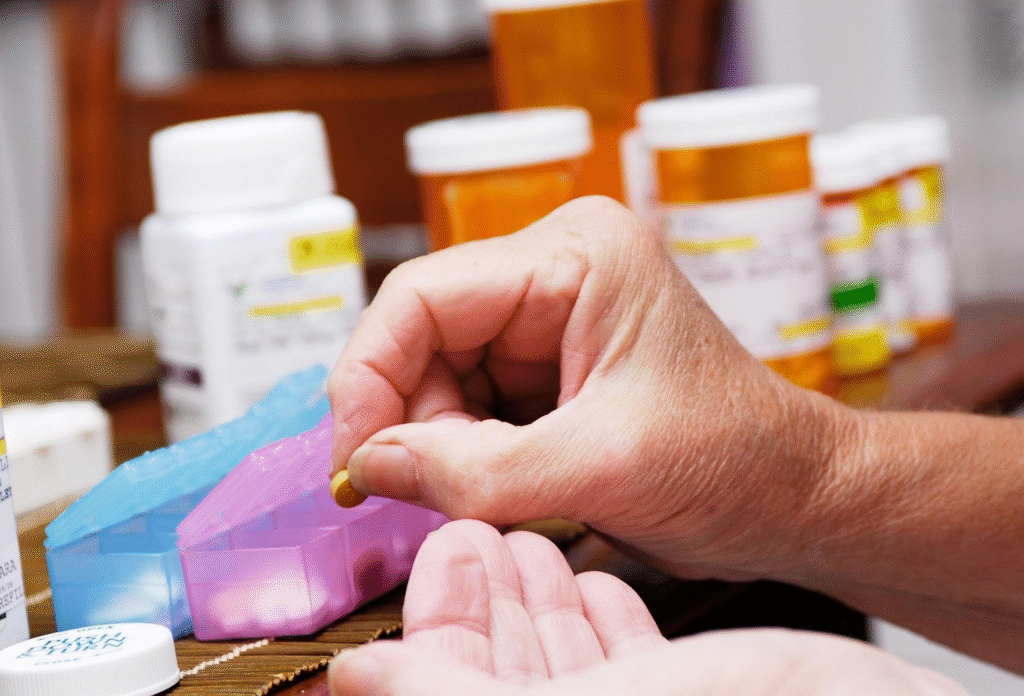
Pill organizers are one of the simplest yet most effective solutions. These containers, which come in daily, weekly, or monthly formats, allow you to pre-sort your medications by day and time. Choose a size that matches your needs—daily organizers are ideal for a few medications, while weekly ones work well for more complex schedules. Be sure to select an organizer made of sturdy, non-toxic plastic and fill it only when you’re calm and focused. Label each section clearly with the day and time to avoid confusion. For example: “Monday AM – Lisinopril 10 mg, Aspirin 81 mg.”
Electronic pill reminders and smart devices can also be lifesavers. Smart pill dispensers with built-in alarms automatically release the correct dose at the right time and can even alert caregivers via text or app if a dose is missed. These devices are especially useful for individuals who live alone or have memory challenges. Mobile apps like Medisafe, MyTherapy, or CareZone allow you to input your medication schedule, receive reminders, and track adherence over time. Some apps can even sync with your pharmacy to alert you when it’s time to refill a prescription. These digital tools not only help you stay on track but also create a log that you can share with your doctor during appointments.
For those managing medications for others, such as children or elderly relatives, consider creating a medication administration record (MAR). This document lists each medication, the dosage, the time it should be taken, and any notes about administration (e.g., “take with food” or “do not crush”). Keep the MAR updated and visible—perhaps on the fridge or in a shared digital document. Establishing a routine, such as taking morning medications with breakfast or evening doses right after dinner, can also help reinforce consistency. If confusion persists, consider consulting a pharmacist or a geriatric care manager to help design a personalized system. With the right tools and routines in place, managing multiple medications becomes far less daunting—and far safer.
Recognizing Side Effects and Drug Interactions: When to Seek Help
Even when medications are taken as prescribed, they can sometimes cause unintended effects. These side effects range from mild and temporary—like a mild stomachache or drowsiness—to severe and life-threatening, such as an allergic reaction or organ damage. Being able to recognize these signs early can prevent complications and ensure timely medical intervention. Always know which side effects are common and expected, and which are serious enough to warrant immediate attention.
Common side effects often include drowsiness, nausea, dizziness, dry mouth, or changes in appetite. These symptoms may resolve on their own as your body adjusts to the medication. However, serious side effects require prompt action. These include difficulty breathing, swelling of the face or throat, severe rash or hives, chest pain, irregular heartbeat, confusion, or extreme fatigue. If you or someone else experiences any of these symptoms, seek emergency medical help immediately. Allergic reactions, in particular, can escalate rapidly and are considered a medical emergency.
Drug interactions occur when one medication affects the way another works, either by enhancing or reducing its effects, or by causing new, harmful reactions. These interactions can happen between prescription drugs, over-the-counter medications, vitamins, and even certain foods or herbal supplements. For example, grapefruit can interfere with the metabolism of many medications, including statins and certain blood pressure drugs, leading to dangerously high levels in the bloodstream. Similarly, combining sedatives with alcohol can result in severe respiratory depression.
To minimize risk, always inform your doctor and pharmacist about every medication and supplement you take. Ask specifically about potential interactions when starting a new drug. Your pharmacist is an excellent resource—many community pharmacies offer free medication review services where they can check for harmful combinations. Keep a list of all your medications and share it at every healthcare visit. If you experience new or worsening symptoms after starting a medication, report them immediately. By staying vigilant and proactive, you can catch potential problems before they become serious.
Safe Disposal: Clearing Out the Medicine Cabinet Responsibly
An outdated or unused medication in your cabinet isn’t just clutter—it can be a public health risk. Unwanted pills, liquids, and patches can end up in the wrong hands, leading to accidental poisonings, misuse, or drug diversion. Flushing medications down the toilet or throwing them in the trash may seem convenient, but these methods can contaminate water supplies and harm the environment. Responsible disposal is a critical part of medication safety and environmental stewardship.
Fortunately, many communities offer safe disposal options. The U.S. Food and Drug Administration (FDA) recommends using drug take-back programs as the safest way to dispose of most medications. These programs, often run by local law enforcement agencies, pharmacies, or hospitals, provide secure drop-off locations where medications can be collected and destroyed properly. To find a take-back site near you, visit the DEA’s website or call your local pharmacy. Many pharmacies now host permanent drop boxes, making disposal convenient and anonymous.
If a take-back program isn’t available, you may dispose of medications in the household trash, but only after taking specific precautions. First, remove the medication from its original container and mix it with an unpalatable substance such as coffee grounds, cat litter, or dirt. This makes the medication less appealing to children, pets, or anyone searching the trash. Then, place the mixture in a sealed bag or container before throwing it in the trash. Scratch out or cover any personal information on prescription labels to protect your privacy. Never crush tablets or capsules unless necessary, as this can release harmful particles into the air.
Some medications, particularly controlled substances like opioids or sedatives, should never be flushed down the toilet. Instead, follow the specific guidelines provided by your pharmacist or the FDA. Controlled substances often have unique disposal instructions due to their high risk of abuse. Always check the FDA’s “Flush List” for medications that are safe to flush in emergencies—such as fentanyl patches or oxycodone tablets—when take-back options aren’t immediately available and the risk of harm is high.
By disposing of medications responsibly, you’re not only protecting your family and community but also reducing environmental harm. Keeping your medicine cabinet clean and updated ensures that only safe, effective treatments remain within reach—and that expired or unused medications don’t pose a hidden threat.
Building Lifesaving Habits: Education, Communication, and Regular Reviews
Safe medication practices aren’t built overnight—they’re the result of consistent habits, open communication, and ongoing education. Whether you’re managing your own health or caring for someone else, developing these habits can prevent errors, reduce stress, and ultimately save lives. Start by making medication safety a regular part of your routine, just like brushing your teeth or checking the smoke detector.
One of the most powerful habits is regular medication reviews. Schedule an annual “medicine cabinet checkup” with your pharmacist or doctor. Bring all your medications—prescriptions, over-the-counter drugs, vitamins, and supplements—and review them together. This conversation can uncover duplications, interactions, outdated doses, or medications you no longer need. It’s also an opportunity to ask questions about side effects, storage, and proper use. Many pharmacists offer this service for free, and it’s one of the simplest ways to ensure your regimen is safe and up to date.
Educate yourself and your family members about medication safety. Teach children from a young age never to take medicine without adult supervision, even if it looks like candy. Make sure elderly relatives understand their medication schedules and why each pill is important. If English isn’t your first language, ask your pharmacist for translated labels or instructions. Many communities offer multilingual health resources, and organizations like the FDA provide medication guides in multiple languages.
Communication is key—always. When starting a new medication, ask your doctor or pharmacist: What is this for? How should I take it? What are the side effects? What should I avoid while taking it? Write down the answers and keep them with your medication list. If you experience any unusual symptoms, don’t wait—call your healthcare provider or pharmacist immediately. Silence can be dangerous when it comes to medication safety.
Finally, be proactive about renewals and refills. Set reminders for when it’s time to request a refill, especially for medications you take regularly. Running out of a critical medication can lead to dangerous withdrawal symptoms or relapse of a chronic condition. Use your pharmacy’s automatic refill service if available, or sign up for text alerts when your prescription is ready for pickup. Keep a backup supply of essential medications in case of emergencies like natural disasters or travel disruptions.
By integrating these habits into your daily life, you transform your medicine cabinet from a potential hazard into a cornerstone of your health and safety. It’s not about perfection—it’s about awareness, preparation, and consistent care. When it comes to medications, small steps can make a big difference in preventing harm and promoting wellness.
Final Thoughts: Your Medicine Cabinet as a Tool for Health
Your medicine cabinet is more than a storage space—it’s a reflection of how you care for your health and the health of those around you. By organizing it thoughtfully, storing medications safely, reading labels carefully, and managing doses responsibly, you turn a routine task into a lifesaving practice. Regular reviews, open communication with healthcare providers, and responsible disposal further strengthen this system, ensuring that every pill taken is a step toward wellness, not risk.
Remember: medications are powerful tools, not to be feared but respected. With the right habits and knowledge, they can help you live a healthier, more vibrant life. Take control of your medicine cabinet today—your future self will thank you.