Unlocking Joy: Your Guide to a Happy and Healthy Lifestyle

Introduction & Background
In today’s fast-paced world, happiness and health often feel like distant goals rather than daily realities. Work pressures, digital overload, and endless responsibilities can leave us feeling drained and unfulfilled. Yet, joy isn’t just a fleeting emotion; it’s a state of being that can be nurtured through intentional choices and habits. Research shows that a happy lifestyle isn’t just about momentary pleasure but about building sustainable practices that enhance both mental and physical well-being. This guide explores how small, mindful changes can unlock lasting joy and transform your daily life into one of fulfillment and vitality.
Concept & Overview
Happiness and health are deeply interconnected, forming a cycle where one reinforces the other. When we prioritize our well-being, we naturally feel more content and energized, which in turn motivates us to make healthier choices. At its core, a happy and healthy lifestyle is about balance: balancing work and rest, activity and relaxation, indulgence and moderation. It’s not about perfection but progress, embracing imperfections while steadily moving toward a more joyful existence. The key principles include mindfulness, gratitude, movement, nourishment, and meaningful connections, all of which contribute to a holistic sense of happiness.
Key Features & Highlights
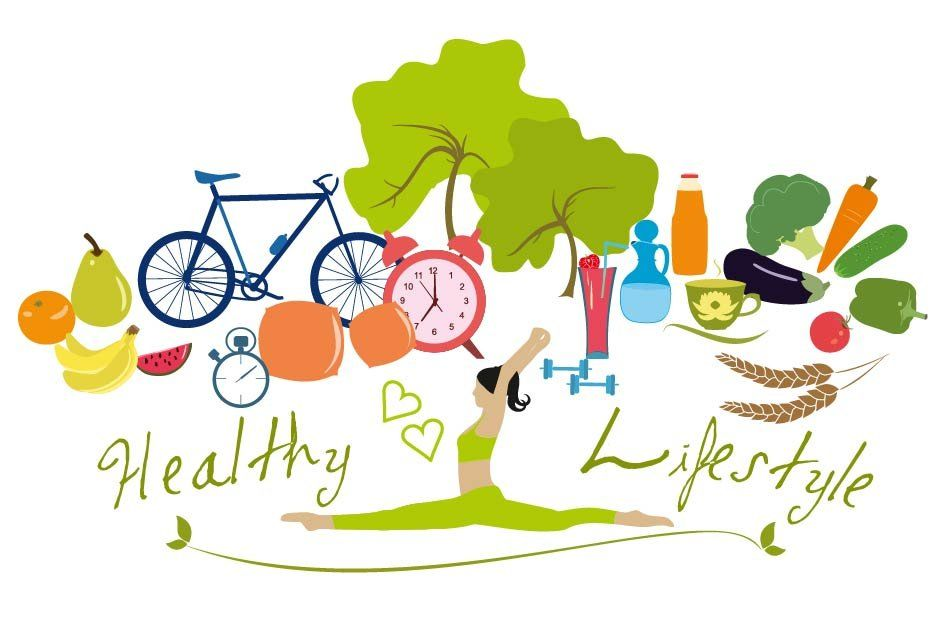
- Mindfulness and Presence: Being fully engaged in the present moment reduces stress and enhances appreciation for life’s simple pleasures.
- Physical Activity: Regular exercise boosts mood, increases energy levels, and promotes better sleep, all of which are essential for happiness.
- Balanced Nutrition: Eating whole, nutrient-rich foods fuels both the body and mind, preventing energy crashes and improving overall well-being.
- Quality Sleep: Prioritizing restorative sleep allows the body to repair and the mind to recharge, leading to improved emotional resilience.
- Social Connections: Strong relationships provide emotional support, reduce feelings of loneliness, and contribute significantly to long-term happiness.
- Personal Growth: Setting and achieving goals, learning new skills, and stepping out of comfort zones foster a sense of purpose and fulfillment.
- Digital Detox: Limiting screen time and creating boundaries with technology helps reduce overwhelm and restores focus on what truly matters.
Frequently Asked Questions / Pros & Cons
What is the biggest obstacle to achieving a happy and healthy lifestyle?
The biggest obstacle is often our own mindset. Many people believe that happiness is dependent on external circumstances, such as wealth or success, which can lead to a cycle of dissatisfaction. Overcoming this mindset requires shifting focus inward, recognizing that joy comes from within and from the habits we cultivate.
Can a happy life coexist with a busy schedule?
Absolutely. Happiness isn’t about having unlimited free time; it’s about making the most of the time you have. Even in a busy schedule, small moments of joy, like a short walk or a mindful coffee break, can make a significant difference. The key is to prioritize quality over quantity and find pockets of joy throughout the day.
Are there any downsides to pursuing a happy lifestyle?
One potential downside is the pressure to always be happy, which can sometimes feel like a burden. Happiness isn’t about constant euphoria but about accepting a range of emotions, including sadness or frustration, as part of the human experience. Another consideration is the time and effort required to build new habits, which may feel overwhelming at first. However, the long-term benefits far outweigh these initial challenges.
How do I stay motivated when progress feels slow?
Motivation often comes from celebrating small wins rather than focusing solely on big goals. Keeping a journal to track progress, rewarding yourself for milestones, and reminding yourself of your “why” can help maintain momentum. It’s also helpful to surround yourself with supportive people who encourage your journey.
Practical Guidance & Solutions
Start by identifying one or two key areas to focus on, such as improving sleep or incorporating more movement into your day. Set realistic, achievable goals, like going to bed 15 minutes earlier or taking a 10-minute walk after lunch. Consistency is more important than intensity, so small, sustainable changes will yield the best results over time.
Incorporate mindfulness into your daily routine by practicing deep breathing for a few minutes each morning or evening. This simple habit can ground you and set a positive tone for the day. Similarly, make time for social connections by scheduling regular catch-ups with friends or family, even if it’s just a quick call during the week.
When it comes to nutrition, aim for progress rather than perfection. Swap one processed snack for a piece of fruit, or add an extra serving of vegetables to your dinner. Over time, these small adjustments will add up to significant improvements in your energy and mood.
Finally, be kind to yourself. There will be days when things don’t go as planned, and that’s okay. Joy isn’t about having a flawless life but about finding beauty and meaning in the journey, imperfections and all.
Conclusion
Unlocking joy is a journey, not a destination. It’s about weaving happiness and health into the fabric of your daily life through mindful choices and consistent habits. By embracing small, sustainable changes, you can create a lifestyle that nourishes both your body and soul. Remember, the goal isn’t to achieve a state of constant bliss but to cultivate a resilient and fulfilling way of living. As you embark on this path, celebrate each step forward, no matter how small, and trust that the joy you seek is within reach. Your happiest, healthiest life is not something you wait for; it’s something you build, one day at a time.