Sip Honey & Soar: Crafting a Bee-Healthy Lifestyle One Stinger at a Time

The Sweet Symphony of Bees and Wellness
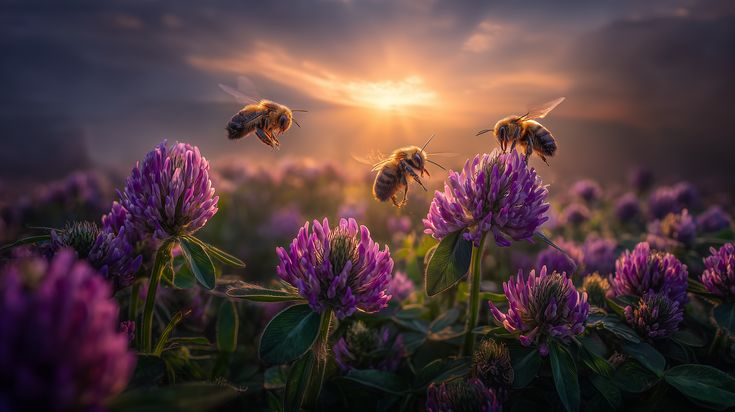
In the golden glow of dawn, when the world is still wrapped in a hush, bees rise with purpose. They dance from blossom to blossom, their tiny bodies dusted with pollen, carrying the promise of honey and the rhythm of the hive. This symphony of nature, often overlooked in the hustle of modern life, holds a profound lesson: the health of bees is intricately woven with the health of the planet—and by extension, our own well-being. Sip Honey & Soar is more than a catchy phrase; it’s an invitation to embrace a lifestyle that nurtures bees, honors their role in the ecosystem, and ultimately, nourishes us in return. This article explores how crafting a bee-healthy lifestyle can transform our daily routines, our health, and our connection to the natural world.
Why Bees Matter: The Unsung Heroes of Our Food System
Before diving into the lifestyle, it’s essential to understand why bees deserve our attention. Bees are the planet’s most efficient pollinators, responsible for pollinating about 75% of flowering plants and 35% of global food crops. Without them, our diets would lack diversity, and many fruits, vegetables, and nuts would vanish. Yet, bees face unprecedented threats: habitat loss, pesticide use, climate change, and diseases. The decline in bee populations isn’t just an ecological issue—it’s a human one. When bees suffer, so does our food security and the vibrancy of ecosystems.
Adopting a bee-healthy lifestyle isn’t just about saving these tiny creatures; it’s about recognizing our interdependence. Every time we choose a jar of raw, local honey over processed sugar, we support beekeepers. Every time we plant pollinator-friendly flowers in our gardens, we provide bees with vital nourishment. And every time we advocate for policies that protect bees, we contribute to a healthier planet. This lifestyle is a small but meaningful step toward restoring balance to our environment.
The Bee-Healthy Lifestyle: Practical Steps to Make a Difference
Transitioning to a bee-healthy lifestyle doesn’t require drastic changes—just mindful choices that ripple outward. Here are actionable steps to integrate bee wellness into your daily life, one step at a time.
1. Choose Honey and Products with a Conscience
- Go raw and local: Opt for raw, unprocessed honey from local beekeepers rather than commercial brands. Raw honey retains pollen, enzymes, and antioxidants, offering more health benefits. Supporting local beekeepers also strengthens community economies and encourages sustainable beekeeping practices.
- Avoid adulterated honey: Many store-bought honeys are diluted with syrups or heated to high temperatures, destroying their nutritional value. Look for labels that guarantee 100% pure honey, and check for certifications like USDA Organic or Non-GMO Project Verified.
- Use honey in cooking and remedies: Swap refined sugar with honey in recipes for a natural sweetener. Use it in homemade cough syrups, face masks, or wound healing ointments. Honey’s antibacterial properties make it a versatile tool for wellness.
- Explore bee products beyond honey: Propolis, royal jelly, beeswax, and pollen offer unique health benefits. Propolis, for example, is a potent antimicrobial used in supplements and skincare, while beeswax can be found in natural cosmetics and candles.
2. Create a Pollinator-Friendly Garden
A bee-friendly garden doesn’t require acres of land—even a balcony or windowsill can become a sanctuary for bees. The key is to provide a variety of nectar- and pollen-rich plants that bloom at different times of the year, ensuring bees have food throughout the seasons.
- Native plants are best: Native flowers are adapted to local climates and attract native bee species. Research which plants thrive in your region and prioritize them. Examples include lavender, sunflowers, coneflowers, and borage.
- Plant in clusters: Bees are more likely to notice and visit dense patches of flowers rather than isolated plants. Group the same species together to create a “target” for foraging bees.
- Avoid pesticides and herbicides: Chemical pesticides, even organic ones like neem oil, can harm bees. Opt for natural pest control methods, such as companion planting or introducing beneficial insects like ladybugs.
- Provide water sources: Bees need water to stay hydrated and cool their hives. Offer a shallow dish filled with pebbles and water, ensuring bees have a safe place to land while drinking.
- Leave some wild areas: Let a corner of your garden grow wild with dandelions, clover, and other “weeds.” These plants are vital food sources for early-season bees.
3. Support Sustainable Beekeeping and Ethical Brands
Not all honey is created equal, and neither are all beekeeping practices. Supporting ethical beekeepers ensures that bees are treated with care and that their habitats are preserved.
- Buy from transparent producers: Look for beekeepers who prioritize transparency. Reputable sources will share details about their hive management, such as avoiding chemical treatments or using top-bar hives for natural comb building.
- Join a CSA or honey subscription: Community Supported Agriculture (CSA) models extend to honey. Subscribing to a local beekeeper’s harvest ensures you get fresh, seasonal honey while supporting their work year-round.
- Avoid mass-produced honey: Large corporations often exploit bees through industrial-scale beekeeping, which can lead to stress, disease, and colony collapse. By choosing small-scale producers, you help counteract these practices.
- Advocate for ethical brands: Some companies go beyond honey, creating products like beeswax wraps, organic honey-based snacks, or bee-friendly skincare. Support brands that align with your values and contribute to bee conservation.
4. Educate Yourself and Others
Knowledge is a powerful tool for change. The more you learn about bees, the better equipped you’ll be to make informed choices and inspire others to do the same.
- Read books and articles: Expand your understanding with resources like The Beekeeper’s Handbook by Diana Sammataro, Silence of the Bees by Michael Pollan, or Beekeeping for Dummies by Howland Blackiston.
- Watch documentaries: Films like Vanishing of the Bees and Queen of the Sun offer eye-opening perspectives on the challenges bees face and the people working to protect them.
- Join workshops or webinars: Many local beekeeping associations, botanical gardens, and environmental organizations host educational events. These can range from beginner beekeeping courses to gardening workshops focused on pollinators.
- Share your knowledge: Talk to friends, family, and neighbors about the importance of bees. Share tips on creating bee-friendly spaces, or gift them a jar of local honey with a note about its benefits. Social media is also a great platform to spread awareness.
5. Reduce Your Environmental Footprint
Bees are sensitive to environmental changes, and reducing your carbon footprint can indirectly support their survival. Small actions add up to create a healthier planet for all living creatures.
- Reduce plastic use: Plastic pollution harms bees by contaminating their food sources and habitats. Opt for reusable bags, containers, and bottles to minimize plastic waste.
- Support regenerative agriculture: Industrial farming relies heavily on pesticides and monocropping, which deplete bee populations. Support farmers who use regenerative practices, such as cover cropping, crop rotation, and reduced tillage.
- Plant trees: Trees provide nesting sites for native bees and improve air quality. Even planting a single tree in your yard or community can make a difference.
- Compost organic waste: Composting reduces methane emissions from landfills and creates nutrient-rich soil for bee-friendly plants.
Beyond the Hive: The Ripple Effects of a Bee-Healthy Lifestyle
Adopting a bee-healthy lifestyle isn’t just about saving bees—it’s about reconnecting with the rhythms of nature and rediscovering the joy of simplicity. When you sip raw honey in your tea, you’re not just tasting sweetness; you’re acknowledging the labor of thousands of bees and the intricate web of life that sustains them. When you tend to a garden full of buzzing pollinators, you’re participating in a timeless dance that has existed for millions of years.
This lifestyle also fosters mindfulness. In a world dominated by convenience and speed, slowing down to observe bees at work can be a meditative practice. It reminds us to appreciate the small, often overlooked wonders of the natural world. Moreover, a bee-healthy lifestyle encourages community. Whether it’s swapping honey with neighbors, joining a local beekeeping club, or volunteering for pollinator conservation projects, you become part of a collective effort to protect our planet.
The phrase Sip Honey & Soar encapsulates this journey. “Sip honey” symbolizes nourishment, healing, and the sweetness of life, while “soar” represents growth, freedom, and the boundless potential of a world where bees—and humans—thrive together. It’s a call to action, a reminder that every choice we make has an impact, no matter how small.
Final Thoughts: Your Path to Bee Wellness Starts Now
Crafting a bee-healthy lifestyle is a journey, not a destination. It’s about making conscious choices that honor the bees, the planet, and your own well-being. Start small: plant a few pollinator-friendly flowers, switch to raw honey, or host a workshop in your community to teach others about bee conservation. Each step, no matter how modest, contributes to a larger movement toward sustainability and harmony.
Remember, bees have been thriving for over 100 million years, adapting to every corner of the Earth. They’ve survived ice ages, volcanic eruptions, and dramatic climate shifts. Yet, in the span of a few decades, human activity has pushed many species to the brink. The good news? We have the power to reverse this trend. By adopting a bee-healthy lifestyle, we’re not just saving bees—we’re saving ourselves, our ecosystems, and the future of our planet.
So, take a moment today to appreciate the bees buzzing outside your window. Pour yourself a cup of tea sweetened with local honey, step into your garden, or research a bee-friendly plant for your balcony. The journey begins with a single step—or in this case, a single stinger. Together, we can craft a world where bees and humans not only coexist but thrive, one mindful choice at a time.